
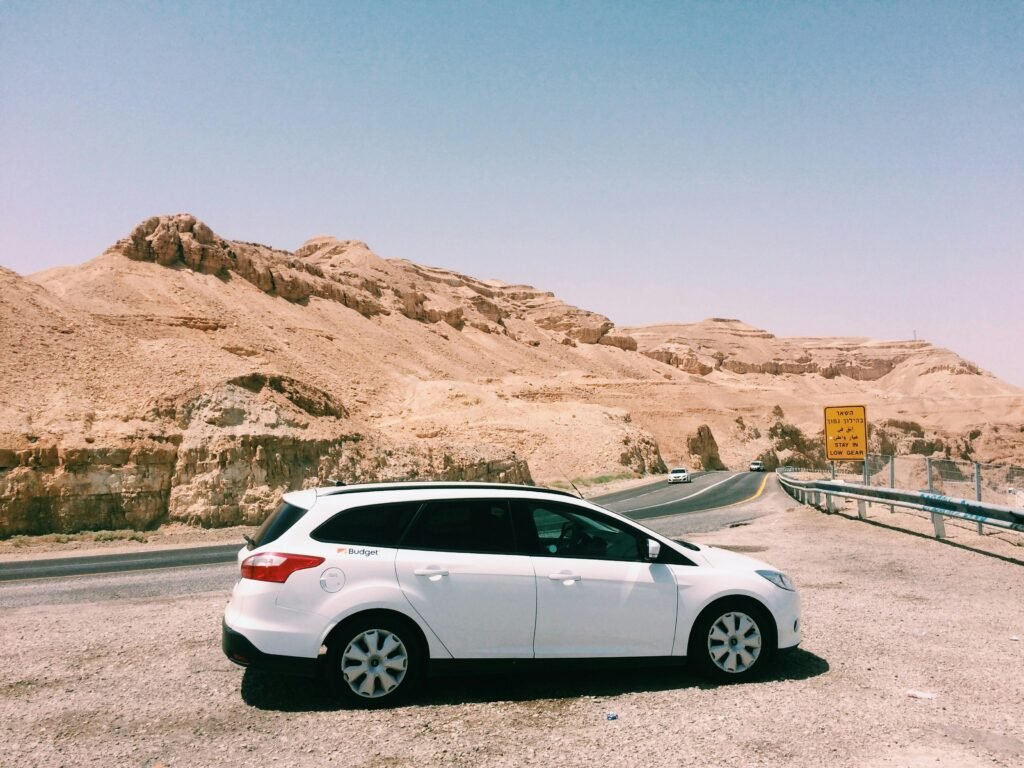

Choosing the right rental car can make your trip in the United States more relaxing, efficient, and enjoyable. With vast highways, diverse landscapes, and countless tourist routes, the U.S. is a country where having the right vehicle matters. But with so many rental companies, car types, insurance options, and pricing structures, the process can feel overwhelming—especially for international travelers. This guide breaks down everything you need to know so you can rent the perfect car for your itinerary without overspending.
- Understand Your Travel Needs Before Choosing a Car
The first step to choosing the best rental car is understanding your specific travel needs. Ask yourself:
Will you mostly drive in cities, highways, or mountain areas?
How many passengers will you have?
How much luggage are you carrying?
Do you want a budget option or a more comfortable ride?
Will you be driving long distances?
Your answers will determine whether you need an economy car, a midsize sedan, an SUV, or a minivan.
For example, if you are planning a family trip to national parks such as Yellowstone or Yosemite, an SUV provides comfort and road handling. If you’re traveling solo and visiting big cities like New York or Chicago, a compact car is easier for parking and saves more on fuel.
- Choosing the Right Car Category
U.S. rental companies offer a wide range of categories. Here’s how to choose the best one:
Economy and Compact Cars
Best for: Solo travelers, couples, budget trips
Advantages: Low rental cost, excellent fuel efficiency, easy parking
Perfect for short-distance travel and city driving.
Midsize and Full-Size Sedans
Best for: Families, long-distance road trips
Advantages: More legroom, better trunk space, stable handling
Ideal for driving through long highways or multiple states.
SUVs
Best for: Mountain trips, national parks, group travel
Advantages: Higher safety, more space, better performance
Common for west-coast routes like California’s Highway 1 or Utah’s canyon parks.
Minivans
Best for: Family vacations, groups of 5+
Advantages: Maximum passenger comfort, sliding doors, large cargo areas
Useful for long vacations or multi-city itineraries.
Luxury Cars
Best for: Business trips, premium travel experiences
Advantages: Advanced features, smooth driving, stylish interior
Common choices include BMW, Mercedes, and Tesla.
Electric Vehicles (EVs)
Best for: City-based travel
Advantages: Low fuel cost, environmentally friendly
Be cautious when planning long routes—charging stations may be limited in rural regions.
- Understand Pickup Location Costs
Rental prices vary greatly depending on where you pick up the car.
Airport Pickup
Pros: Convenient, long operating hours, large car selection
Cons: Higher fees such as airport concession charges
City Pickup
Pros: Usually cheaper, fewer added fees
Cons: Smaller inventory, shorter office hours
A smart strategy is:
👉 If you don’t need a car immediately, take an airport shuttle or rideshare to a nearby city rental office to save money.
- Check Insurance Options Carefully
Insurance is the most confusing part for most travelers. Understanding the basic types helps avoid unnecessary costs.
Collision Damage Waiver (CDW)
Covers damage to the rental car. Highly recommended if you don’t already have coverage.
Supplemental Liability Insurance (SLI)
Covers damages or injuries you cause to others on the road.
Personal Accident Insurance
Covers your medical expenses in case of an accident.
Theft Protection
Covers loss if the car is stolen.
Many credit cards—such as Visa Signature, Mastercard World, and American Express—provide CDW coverage automatically. Check before buying extra insurance at the counter to avoid paying double.
- Fuel Policies and the Best Option for Travelers
Rental companies typically offer three main fuel policies:
Full-to-Full (Best Option)
Pick up the car full and return it full.
Most cost-efficient and transparent.
Pre-Purchase Fuel
Convenient but usually more expensive unless you plan to return the tank empty.
Full-to-Empty
Not recommended—you will pay premium fuel prices and may not use the full tank.
For most travelers, Full-to-Full is the safest and cheapest choice.
- Watch Out for Hidden Fees
Many travelers are surprised by additional charges they didn’t expect. Here are the most common ones:
Additional driver fees
Young driver surcharge (under 25)
GPS rental
Child seat rental
Toll road programs
One-way drop-off fees
After-hours fees
Fuel service charges
Before signing the rental agreement, request a complete fee breakdown to avoid unexpected costs later.
- Evaluate the Mileage Policy
Most U.S. rentals offer unlimited mileage, especially for major companies.
However, some local or budget companies limit daily miles and charge extra for exceeding them.
If you plan to:
Drive to multiple states
Take a long road trip
Visit national parks
Make sure unlimited mileage is included.
- Check the Car Before Driving Off
Before leaving the rental lot, take a few minutes to inspect the vehicle:
Photograph any scratches, dents, or damages
Check headlights, tires, and wipers
Confirm fuel level matches the contract
Ensure your rental agreement states “existing damage noted”
This protects you from being charged for previous damage.
- Returning the Car Smoothly
To avoid additional fees when returning the vehicle:
Fill up the tank near the rental location
Remove all personal items
Take photos of the car exterior
Return on time—late returns may cost an extra day
Keeping all receipts and your rental agreement can help resolve disputes if charges appear later.
- Tips to Get the Best Price
To consistently get the lowest rental prices in the U.S.:
Book 2–4 weeks early
Use price comparison sites
Choose city pickup instead of airport
Avoid premium insurance if covered elsewhere
Rent compact or midsize cars for best savings
Look for weekly or monthly rental discounts
Take advantage of membership benefits or credit card perks
Smart planning can reduce your total rental cost by 30–50%.